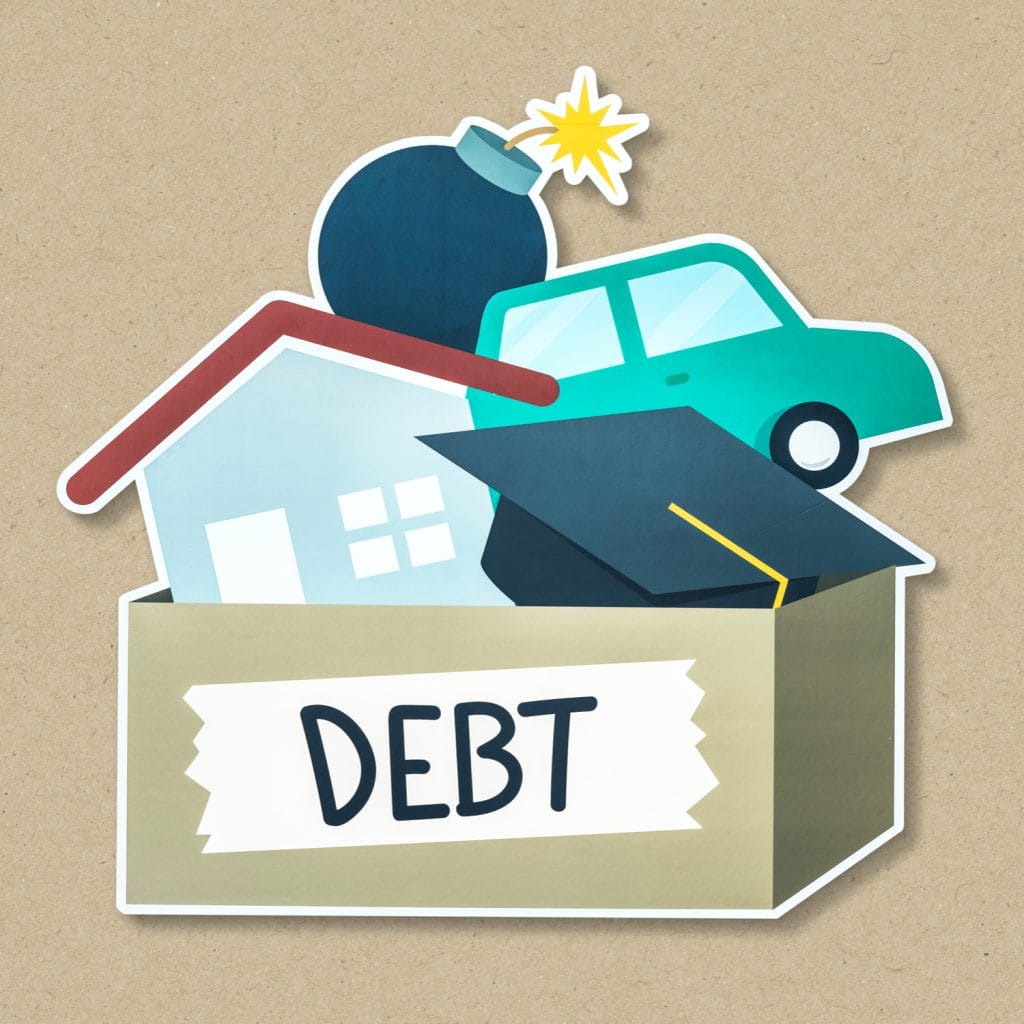

Are you struggling with overwhelming credit card debt? You’re not alone. Millions of Americans face high-interest payments and find it difficult to keep up. Fortunately, credit card debt relief programs are designed to help you reduce your financial burden and regain control over your money.
In this comprehensive guide, we’ll walk you through the qualifications needed for credit card debt relief in 2026, the different types of relief available, and how to choose the right program for your financial situation.
Whether you’re looking for debt settlement, counseling, or consolidation options, this article is your step-by-step roadmap.
Transparency Notice: BreakFreeFromDebtNow is reader-supported. If you click on a link and make a purchase or sign up for a service, I may receive a small commission at no extra cost to you. This helps keep the site running and the content free for everyone. I only recommend products and services I truly believe can help you on your journey.
Important Disclaimer: I am not a financial advisor. I am a researcher and consumer advocate sharing what I've learned on my own debt-free journey. The information on this site is for educational and informational purposes only and does not constitute professional financial advice. Always consult with a certified financial professional for guidance specific to your unique situation. Full Disclaimer →
What Credit Card Debt Relief Means
Credit card debt relief refers to any program or service that helps you reduce, restructure, or manage your credit card debt. These solutions can lower your monthly payments, reduce interest rates, or even forgive a portion of your debt under certain conditions.
There are several options available including debt settlement, debt consolidation, debt management plans, balance transfer cards, and credit counseling services. Each option has different qualifications, costs, and effects on your credit score.
Evaluate Your Financial Situation
Before you apply for any program, take a close look at your finances. Calculate your total credit card balances, monthly income, essential expenses, and how much you can afford to pay toward debt. This will help you understand what type of debt relief program suits you best.
Use tools like online debt calculators to assess your debt-to-income (DTI) ratio, which many
relief programs use to determine eligibility. A lower DTI means better chances of qualifying.
Check If You Meet General Qualification Requirements
Most credit card debt relief programs in 2026 will evaluate you based on the following factors:
- Your total unsecured debt (usually needs to be above $5,000)
- Your regular monthly income and employment status
- Your credit history and payment consistency
- Your willingness to commit to a structured repayment plan
While exact criteria vary by program, having a steady income and demonstrating financial hardship are key elements.
Explore Types of Credit Card Debt Relief Programs
Here are the most common options in 2026:
- **Debt Settlement:** You negotiate with creditors to pay less than what you owe. It can hurt your credit but reduce your total balance.
- **Debt Management Plans (DMPs):** Offered by nonprofit credit counseling agencies. You make one monthly payment to the agency, which pays your creditors. Interest rates may be reduced.
- **Balance Transfer Cards:** You transfer your balances to a credit card with 0% interest for a limited period. Best for people with good credit scores.
- **Debt Consolidation Loans:** Combine all debts into one loan with a fixed interest rate. You must qualify for the loan based on your creditworthiness.
- **Credit Counseling Services:** Provide free or low-cost financial guidance to help you manage your debts and budget effectively.
Avoid Common Mistakes When Seeking Debt Relief
- Don’t apply for multiple programs at once – it can hurt your credit score.
- Avoid companies asking for large upfront fees or guaranteeing results.
- Read the terms carefully and ask for everything in writing.
- Choose organizations that are accredited by NFCC (National Foundation for Credit Counseling) or FCAA.
Work with Certified Credit Counselors
A certified credit counselor can evaluate your financial situation, recommend the best strategy, and help you avoid scams.
Counseling sessions often include budgeting help, debt education, and long-term planning.
Find accredited counselors through trusted resources like the National Foundation for Credit Counseling (NFCC).

Stay Consistent and Track Your Progress
Once enrolled in a debt relief program, it’s important to stay committed. Make regular payments, track your progress monthly, and communicate with your provider if your financial situation changes.
Use a spreadsheet or app to track debts paid off, payment due dates, and improvements in your credit score. Celebrate small wins to stay motivated.
Conclusion
Credit card debt relief is not a one-size-fits-all solution. By understanding the available programs, evaluating your financial situation, and avoiding common pitfalls, you can take real steps toward financial freedom in 2026.
Don’t wait until your situation worsens. Act today, ask for help when needed, and start building a more stable financial future. Read our guide on Refinancing Credit Card Debt
 📌 Pin this post!