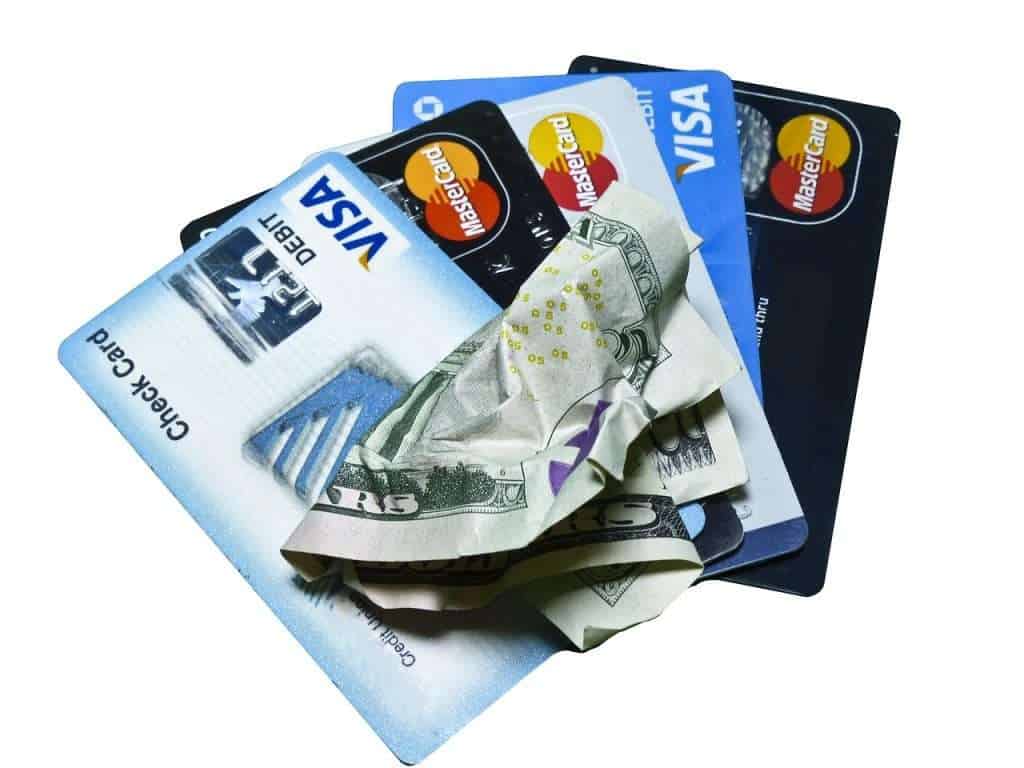
Credit cards as we know them are becoming obsolete.
By 2027, over 320 million credit cards will be issued digitally, and global credit card spending will surpass $9.7 trillion, driven by AI-powered decisions, instant approvals, and seamless integration with digital wallets.
The traditional plastic card in your wallet is being replaced by invisible, intelligent credit systems that make decisions in real time.
I’ve watched the credit card industry transform rapidly over the past few years.
What’s coming next will fundamentally change how we think about debt and borrowing.
AI is rewriting credit scoring rules, Buy Now Pay Later is stealing market share from traditional cards, and cryptocurrency is entering the credit equation in ways most people haven’t noticed yet.
The shift isn’t just about technology—it’s about who gets access to credit and how quickly they can use it.
According to market forecasts for 2023-2027, the credit card market will reach $18.32 trillion by 2031.
The way we access and manage that credit is already unrecognizable compared to five years ago.
Tools like Changed are emerging to help people navigate this new landscape by making debt payoff smarter and more strategic.
Transparency Notice: BreakFreeFromDebtNow is reader-supported. If you click on a link and make a purchase or sign up for a service, I may receive a small commission at no extra cost to you. This helps keep the site running and the content free for everyone. I only recommend products and services I truly believe can help you on your journey.
Important Disclaimer: I am not a financial advisor. I am a researcher and consumer advocate sharing what I've learned on my own debt-free journey. The information on this site is for educational and informational purposes only and does not constitute professional financial advice. Always consult with a certified financial professional for guidance specific to your unique situation. Full Disclaimer →
Key Takeaways
- Digital credit cards and AI-driven approval systems will dominate by 2027, replacing traditional plastic cards
- Buy Now Pay Later services and alternative credit scoring are reshaping who qualifies for credit and how
- Smart debt management tools are essential for navigating the rapidly evolving credit landscape before 2030
Why the Future of Credit Cards Is Changing Faster Than Ever
I’ve watched the credit industry transform more in the past few years than it did in the previous two decades combined.
The speed of change isn’t slowing down—it’s accelerating toward 2027.
Digital transformation is reshaping how people access and use credit around the world.
In emerging markets, mobile-first consumers are skipping traditional banking entirely.
They’re moving straight to digital payments and instant credit offerings through their smartphones.
Here’s what’s driving this rapid shift:
- AI-powered credit scoring that evaluates factors beyond traditional credit reports
- Buy Now Pay Later services competing directly with traditional credit cards
- Contactless payments expected to make up 30% of all transactions by 2025
- Digital loyalty schemes that reward spending in real-time through apps
- Integration of crypto and credit creating new payment possibilities
The competition for revenue growth has pushed card issuers to innovate faster.
Credit card adoption in affluent emerging markets is exploding as people gain more purchasing power.
I’m seeing digital loyalty programme providers partner with banks to offer personalized rewards that actually matter to users.
These aren’t your old-school points systems—they’re smart, app-based programs that learn from spending habits.
Tools like Changed are helping people think differently about debt management.
It’s a forward-thinking approach that treats debt as something to optimize, not just carry.
The financial technology landscape is being rebuilt from the ground up.
Young, diverse consumers are demanding better digital experiences, and the industry is responding by creating accessible fintech solutions that put control back in their hands.
AI-Powered Credit Scoring

I’ve watched AI transform credit scoring from a slow, rigid process into something dynamic and fair.
Machine learning now analyzes thousands of data points in seconds to determine creditworthiness.
This technology is expanding access to credit in ways I find remarkable.
Alternative credit scoring models now look beyond traditional credit reports to include payment history from rent, utilities, and even Buy Now Pay Later services.
People who were previously invisible to banks can now qualify for cards and better credit limits.
Key benefits I’m seeing include:
- Real-time risk assessment that adjusts to your current financial behavior
- Faster approval decisions, often in minutes instead of days
- More accurate predictions of who will repay loans
- Reduced bias in lending decisions
The technology works by feeding massive datasets into machine learning algorithms.
These systems identify patterns that humans might miss.
They can spot responsible financial behavior even without a lengthy credit history.
I’m particularly excited about how alternative credit data is leveling the playing field.
Your crypto transactions, subscription payments, and gig economy income now factor into scoring models.
Tools like Changed are helping people manage debt smarter by connecting to these AI-driven insights.
AI-powered systems deliver accurate assessments while expanding financial inclusion.
Banks can offer personalized credit limits based on real behavior patterns rather than outdated formulas.
✅ See exactly where your credit stands today before AI models
evaluate you. Credit Karma shows your free score instantly.
👉 Check My Free Credit Score with Credit Karma
This shift means more people access credit products that actually fit their lives.
The Rise of Buy Now Pay Later
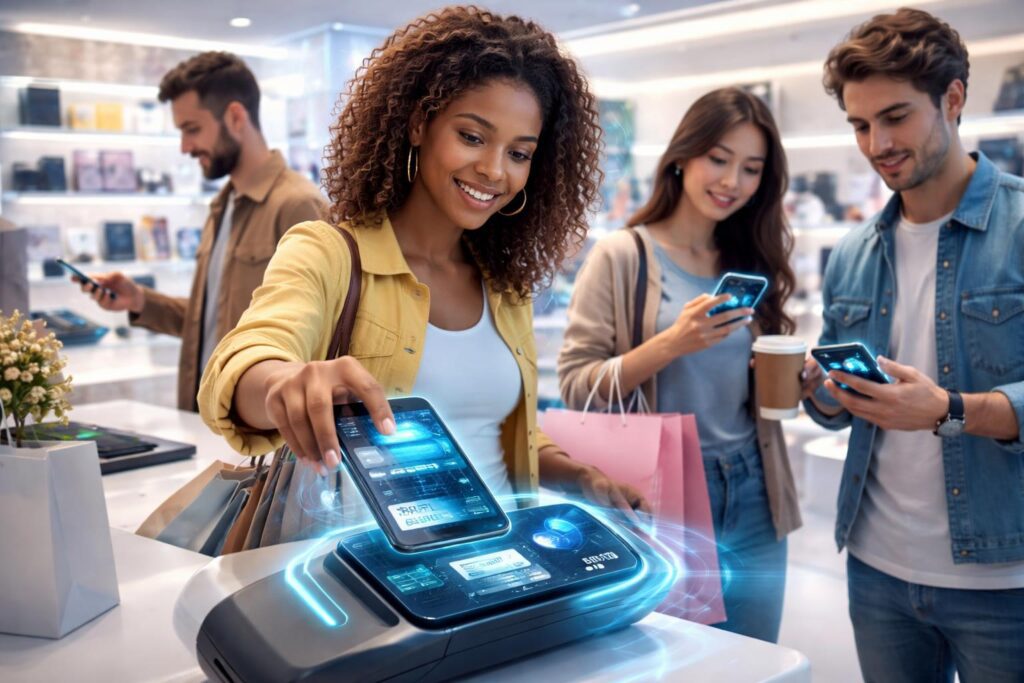
I’ve watched Buy Now Pay Later transform from a pandemic trend into a permanent fixture of consumer finance.
BNPL transaction values reached $70 billion in 2025, representing about 1.1 percent of total credit card spending.
What makes BNPL different?
These services let me split purchases into four equal payments with no interest charges.
The first payment happens at checkout, and the remaining three come due every two weeks.
Major BNPL providers include:
- Affirm
- Klarna
- Afterpay
- PayPal
- Sezzle
The growth has been remarkable.
Worldwide BNPL spending hit $316 billion in 2023 and is projected to reach $450 billion by 2027.
That’s the kind of expansion that catches my attention as someone tracking credit evolution.
I’m particularly interested in how AI is reshaping BNPL underwriting.
Providers now use refined credit risk models that don’t require hard credit checks.
This approach has kept default rates surprisingly low at 1.83 percent in 2023, well below the 4.19 percent credit card charge-off rate.
The landscape is changing fast.
Affirm started reporting loans to credit bureaus in 2025, which could help responsible borrowers build credit history.
Meanwhile, tools like Changed are emerging to help consumers manage BNPL payments alongside traditional debt.
About 21 percent of consumers with credit records used BNPL services in 2022.
Nearly half of these users had deep subprime credit scores, showing how BNPL fills gaps left by traditional credit cards.
Open Banking and Real-Time Credit Decisions
Open banking is changing how I access credit by letting financial institutions see my real financial picture instantly.
Instead of waiting days for loan approvals based on outdated credit reports, lenders can now pull my transaction history, account balances, and spending patterns in real time with my permission.
This shift means credit decisions can be made using real-time and contextual data that traditional credit scoring might miss.
Payment processors are using this information to offer me credit at the exact moment I need it, whether I’m shopping online or paying bills.
Key benefits I see with open banking credit:
- Faster approvals – Decisions happen in minutes instead of days
- Better rates – Lenders see my actual cash flow, not just my credit score
- Instant issuance – I can get approved and start using credit immediately
- Personalized limits – Credit amounts match my real financial capacity
Account-to-account payments powered by open banking also let me verify my identity and account ownership instantly.
This creates a smoother experience when applying for new credit cards.
Buy Now Pay Later services already use this technology to approve me at checkout.
Tools like Changed are taking this further by offering smarter debt management through real-time financial data.
The combination of AI and open banking means my creditworthiness gets evaluated on current behavior, not past mistakes.
This creates opportunities for people who might look risky on paper but manage money well day-to-day.
Crypto’s Growing Role in Credit
I’ve watched crypto-linked credit cards transform from a niche experiment into a real financial product.
The numbers tell the story: the crypto credit card market reached $2.15 billion in 2026, growing at 18.5% year over year.
What excites me most is how these cards work in practice.
There are three main types I’m tracking:
- Crypto reward cards that give you Bitcoin or other digital assets instead of cash back
- Crypto debit cards that convert your holdings to regular currency instantly when you spend
- Crypto-collateralized cards that let you borrow against your digital assets
Major players like Visa and Mastercard are backing this shift.
I can now earn cryptocurrency on everyday purchases, from coffee to gas.
But I won’t sugarcoat the challenges.
Price volatility remains a real concern since crypto rewards that seem valuable today might drop next week.
💰 If you earned crypto rewards on your credit card in 2026,
you may owe taxes on them. FileYourTaxes makes it simple
to handle crypto income correctly when you file.
👉 File My Taxes Correctly with FileYourTaxes
Regulations are still catching up too, with different rules across regions.
For those managing debt strategically, tools like Changed are emerging alongside crypto options.
These forward-thinking platforms help me tackle existing balances while I explore new payment methods.
Projections show growth to around $10.71 billion by 2035, driven by users who want their payments to match their digital-first lifestyle.
I’m seeing this shift toward specialized use cases rather than one-size-fits-all adoption.
The Death of Traditional Credit Cards?
I don’t think traditional credit cards are dying.
They’re changing form.
Physical cards are becoming backup options while digital versions take over our daily lives.
Credit card issuers now focus on virtual tokens stored in mobile wallets rather than the plastic in your pocket.
This shift isn’t sudden, but by 2027, I expect most transactions will happen through phones and wearables.
Digital card issuance has changed how quickly we can access credit.
Card issuers can now approve and deliver a virtual card in minutes, while the physical version arrives days later in the mail.
Digital card issuance platforms let banks create instant credentials that work immediately in Apple Pay or Google Wallet.
The bigger transformation involves what credit cards compete against.
Buy Now Pay Later services are pulling younger users away from traditional revolving credit.
I see AI reshaping credit scoring too, allowing card issuers to approve people who might have been rejected under old models.
Here’s what’s replacing the old card experience:
- Instant digital cards that work before plastic arrives
- AI-powered spending insights built into card apps
- Flexible payment options that blend BNPL with credit lines
- Crypto integration for rewards and payments
Tools like Changed show how debt management is evolving alongside cards themselves.
These platforms help users pay down balances strategically while credit card issuers adapt their products to focus on financial wellness rather than just spending.
Virtual cards represent evolution, not death.
The credit card of 2027 will still provide access to credit, but through smarter, faster, and more personalized digital experiences.
What This Means for Your Debt Strategy Today
I believe the changes coming to consumer credit by 2027 require you to rethink how you manage debt right now.
AI is already changing credit scoring in ways that reward good financial habits faster than old models ever did.
If you’re carrying balances, I recommend looking at cards with AI-powered repayment tools that can optimize your payment strategy automatically.
These systems analyze your spending and income patterns to suggest the best way to pay down debt while minimizing interest charges.
Buy Now Pay Later is reshaping how lenders view your creditworthiness.
Many BNPL services don’t report to credit bureaus yet, but that’s changing.
I’ve seen more issuers integrate BNPL features directly into credit cards, which means your payment behavior across all platforms will matter more than ever.
Here’s what I’m watching closely:
- Dynamic credit limits that adjust based on real-time spending behavior
- Flexible payment plans built into traditional credit cards
- Crypto-backed credit options emerging as alternative lending sources
- AI debt management tools like Changed that help you stay ahead of payments
I think the smartest move today is to use tools that give you visibility into how future credit systems will evaluate you.
Changed offers a forward-thinking approach to managing debt by using technology to predict and prevent missed payments before they happen.
The key is acting now before these innovations in credit card technology become the standard.
Your debt strategy shouldn’t wait for 2027 to adapt.
💡 Changed is already built for this new era of credit.
It automatically rounds up your purchases and applies the
difference to your debt — smarter payoff, zero effort.
👉 Start Paying Off Debt the Smart Way with Changed
How to Future-Proof Your Finances Before 2030
I’ve learned that building a future-proof financial plan starts with understanding where money management is headed.
The landscape is shifting fast, and staying ahead means adapting to new technologies and payment methods.
AI is reshaping credit scoring in ways I find exciting.
Traditional credit scores may soon share space with AI-driven models that analyze spending patterns, subscription payments, and even utility bills.
This means more people could access credit based on actual financial behavior rather than just past loans.
Buy Now Pay Later services are exploding.
I’m watching this trend closely because it’s changing how we think about short-term financing.
These services offer:
- No interest if paid on time
- Instant approval at checkout
- Smaller, manageable payment splits
- Integration with digital wallets
Cryptocurrency and credit are starting to merge too.
Some cards now offer crypto rewards instead of cash back.
I’m also seeing crypto-backed loans emerge, though they come with volatility risks worth considering.
For debt management, I recommend exploring modern tools like Changed, which takes a forward-thinking approach to helping people pay down balances faster.
Smart automation is key.
Practical steps to create financial security include diversifying how you save and spend.
I always suggest keeping multiple payment options active—traditional cards, digital wallets, and emerging fintech solutions.
The winners in 2030 will be those who stay informed about trends reshaping how we manage money while maintaining strong budgeting habits.
📊 SmartCredit gives you real-time credit monitoring so you
stay ahead of changes — before new AI models evaluate you.
👉 Monitor My Credit in Real Time with SmartCredit
Technology changes, but financial discipline remains timeless.
Frequently Asked Questions
Emerging payment technologies and regulatory shifts are creating new challenges around security, lending practices, and consumer choice.
At the same time, AI and alternative financing models are changing how people access credit and manage debt.
What payment methods are most likely to overtake traditional cards over the next few years?
Digital wallets continue to gain ground as primary payment methods.
Apple Pay and Google Pay have already become standard options at most retailers.
I’ve noticed that younger consumers under 54 use debit cards regularly, but they’re not supporting cash or traditional credit cards at the same rates as older generations.
Buy now pay later services are emerging as serious competitors to traditional credit cards.
These platforms let people split purchases into installments without interest.
The appeal is immediate approval and transparent terms.
Mobile wallet-dominated markets in emerging economies are skipping plastic cards entirely.
People in these regions go straight to digital payment methods on their phones.
How will tokenization, biometrics, and digital wallets reshape card security and fraud prevention?
Tokenization replaces your actual card number with a unique digital identifier for each transaction.
This means even if a merchant’s system gets breached, your real card details stay protected.
The 16-digit number printed on physical cards is becoming less relevant.
Biometrics add another security layer through fingerprint and facial recognition.
I see these features becoming standard in mobile wallets and payment apps.
They’re faster than PINs and harder to steal.
Digital wallets combine both technologies to create stronger fraud prevention.
When you use Apple Pay or Google Pay, the merchant never sees your actual card number.
You authenticate with your face or fingerprint instead of a signature.
What role will buy now, pay later and embedded finance play in everyday consumer spending?
Buy now pay later options are appearing at checkout everywhere from grocery stores to gas stations.
These services let people spread out payments for everyday purchases, not just big-ticket items.
The shift changes how people think about affordability.
Embedded finance means credit options show up directly where you shop.
You don’t need to apply for a separate card.
The approval happens instantly at the point of sale.
I’m watching how these models affect spending habits.
The ease of splitting payments can help with budgeting, but it can also make it harder to track total debt across multiple platforms.
How might AI-driven credit underwriting change approvals, limits, and personalized offers?
AI analyzes thousands of data points beyond traditional credit scores.
Income patterns, spending behavior, and even subscription payments help determine creditworthiness.
This opens up access for people with thin credit files.
Personalized offers will become more targeted based on your actual spending.
If you frequently buy groceries, you’ll see cashback offers for supermarkets.
If you travel often, airline rewards will appear.
AI can adjust credit limits in real time based on payment history and financial changes.
Someone who consistently pays on time might see automatic increases.
The system also flags risky patterns faster than human reviewers.
How could new regulations and privacy rules influence card rewards, data use, and fees?
Privacy regulations are limiting how card issuers collect and share your data.
This affects the personalized offers and rewards programs that rely on detailed spending insights.
Issuers need explicit permission to track certain behaviors.
Fee structures face increased scrutiny from regulators.
Late fees, foreign transaction fees, and annual charges are all under review.
Some jurisdictions are capping these costs.
Loyalty rewards programs need to become more transparent about how points are calculated and redeemed.
The monetary value of rewards is expected to reach $103 billion globally by 2027.
Regulations may require clearer disclosure of actual value.
What consumer trends are driving high credit card balances, and what does that signal for lending risk?
Rising costs for essentials like food, housing, and healthcare push people to rely on credit cards for everyday expenses.
What used to be emergency-only borrowing has become routine budget supplementing.
Younger consumers entering the workforce carry different debt attitudes than previous generations.
Many already have student loans and use credit cards to bridge income gaps.
This creates layered debt obligations.
Tools like Changed help people manage debt more strategically by rounding up purchases and applying the difference to balances.