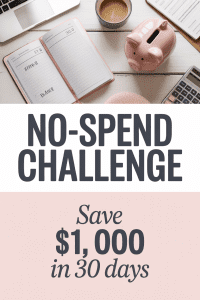

Embarking on a No-Spend Month challenge can feel overwhelming, but it’s a powerful reset for your finances
Do you ever open your bank statement and feel a wave of confusion? It’s that familiar financial hangover, wondering where all your money went. I’ve been there too. Life gets busy, and it’s easy for spending to feel automatic.
This guide is about a powerful reset. I want to introduce you to a financial detox. It’s not about punishment or feeling deprived. Think of it as a short, focused challenge to press pause on non-essential spending.
The goal is simple: to reclaim control over your money and build better habits. In just one month, you can save a significant amount, even $1,000, by redirecting your cash flow. This is your proven way to break the cycle and start building real financial security.
Before starting, use our Small Savings Calculator to see exactly how these small daily savings turn into massive wealth over time.
I know this sounds tough. The fear of missing out, unexpected costs, and saying no to your kids are real struggles. But this challenge is designed for real life. It’s about discovering what you truly need versus what you’re told to want.
You are stronger than you think. Thousands of people have successfully completed this journey. I’ll be your guide, offering clear rules, practical preparation, and survival strategies that work. You can do this.
Transparency Notice: BreakFreeFromDebtNow is reader-supported. If you click on a link and make a purchase or sign up for a service, I may receive a small commission at no extra cost to you. This helps keep the site running and the content free for everyone. I only recommend products and services I truly believe can help you on your journey.
Important Disclaimer: I am not a financial advisor. I am a researcher and consumer advocate sharing what I've learned on my own debt-free journey. The information on this site is for educational and informational purposes only and does not constitute professional financial advice. Always consult with a certified financial professional for guidance specific to your unique situation. Full Disclaimer →
Key Takeaways
- A financial detox is a positive reset for your spending habits, not a punishment.
- The primary goal is to save a significant amount of money, like $1,000, quickly.
- This challenge helps you distinguish between essential needs and unnecessary wants.
- Practical preparation is key to successfully navigating the 30-day period.
- You will learn strategies to handle real-life temptations and unexpected expenses.
- The experience builds lasting financial confidence and control.
- This is an achievable goal for anyone, even those on a very tight budget.
What is a No-Spend Month?
A financial detox represents a powerful opportunity to rebuild your relationship with money from the ground up. Think of it as hitting the reset button on your spending habits.
Defining the Financial Detox
This challenge involves committing to a set period where you only spend on absolute necessities. It’s designed to help you separate genuine needs from habitual wants.
The goal isn’t deprivation but awareness. You’ll discover what truly matters in your financial life.
Spending Rules: Bills and Essentials vs. Non-Essentials
Clear guidelines make this challenge manageable. Essential expenses keep your life running smoothly. Non-essentials are temporary pauses that build financial muscle.
| Rent or mortgage payments | Restaurant meals and takeout | Emergency replacements only |
| Utility bills and groceries | Coffee shop visits and shopping | Wait 24 hours before deciding |
| Transportation for work | Entertainment and hobby purchases | Consider borrowing alternatives |
| Required medications | New clothing and gifts | Use what you already own |
These rules help thousands of people gain control over their expenses. The structure creates space for financial growth and awareness.
According to consumer psychology studies, creating clear mental boundaries between ‘needs’ and ‘wants’ significantly reduces impulse buying stress.
Preparing for Your Financial Detox
The secret to making it through your financial challenge isn’t willpower alone – it’s smart preparation that removes temptation. Taking time to get your environment ready is the best way to ensure success.
I want you to start with a solid plan. Jumping in without preparation sets you up for struggle. Let me show you two powerful steps to get started right.
Conducting a Pantry Inventory
First, tackle your kitchen. Pull everything from your pantry, fridge, and freezer. Make a detailed list of what you already own.
Organize your inventory by category: proteins, grains, canned goods. This list becomes your meal plan foundation. You’ll save money by using what you have.
Unsubscribing from Sales Emails
Next, protect yourself from temptation. Search your email for “unsubscribe.” Spend 15 minutes removing yourself from retail lists.
This simple step dramatically reduces spending triggers. Delete shopping apps from your phone too. These small things make a big difference.
With this preparation complete, you’re ready to begin. Your budget will thank you for taking this time to get started properly.
7 Survival Tips for Your No-Spend Challenge
Navigating your spending pause requires more than just willpower—it demands smart tactics that keep you motivated and on track. I’ve gathered seven powerful strategies that real people use to succeed.

Shop Your Closet Instead of New Purchases
Rediscover clothing you already own. Create fresh outfits from forgotten pieces. This satisfies the urge for something new without spending money.
Plan Meals and Tackle the Pantry Challenge
Use what you have at home. Get creative with “mystery basket” cooking. Turn meal planning into a fun game rather than a restriction.
Use the 24-Hour Rule to Curb Impulse Buying
When you want to buy something non-essential, wait one day. Most urges pass, saving you from unnecessary purchases.
Here’s how these strategies work together:
| Strategy | Daily Benefit | Monthly Impact |
|---|---|---|
| Home coffee brewing | Saves $5-7 daily | $150+ towards goals |
| Visual progress tracker | Builds momentum | Maintains commitment |
| Free alternatives | Reduces temptation | Builds better habits |
Remember to be flexible with true emergencies. The goal is financial control, not rigid suffering. You’ve got this!
Free Fun Ideas to Enjoy Without Spending
Let’s shatter the myth that having fun requires opening your wallet—some of life’s best moments cost absolutely nothing. If you worry about being bored during this challenge, get ready to be pleasantly surprised.
A world of free entertainment is waiting for you and your family. You just need to know where to look.

Explore Local Libraries, Parks, and Free Attractions
Your local library is a powerhouse of free activities. It’s not just about books. Many offer free movie streaming, museum passes, and fun workshops.
Parks are another fantastic resource. Go for a hike, have a picnic, or let the kids enjoy the playground. Explore new trails you’ve never seen before.
Check your city’s website for free days at museums or botanical gardens. You can enjoy culture and beauty without spending money.
Host Board Game Nights and Other Cost-Free Activities
Your home can be the center of fun. Invite friends over for a board game night. Ask everyone to bring a snack from their pantry.
Here are more great ideas for your week:
- Organize a living room campout with blankets and stories.
- Start a free online exercise program together.
- Cook a gourmet meal using recipes you find online.
These simple things often create the most meaningful memories. You connect with people without the stress of spending money.
Making the Most of Your Saved Money
You’ve done the hard work of saving—now let’s make that money work for you. Seeing real savings accumulate is incredible. This is the moment your financial progress becomes permanent.
Your first move is crucial. Transfer your saved money into a separate savings account right away. Don’t let it sit in your checking account. Treat it as if it’s already gone to your future self.
Direct Savings to an Emergency Fund
Priority #1 is a starter emergency fund. Aim for $1,000. This buffer protects you from life’s surprises, like car repairs or medical bills.
It stops you from reaching for a credit card. This fund is the foundation of true financial peace. It’s your first major goal.
Apply the Debt Snowball Strategy for Financial Relief
Once you have that $1,000 safety net, attack high-interest debt. The Debt Snowball method creates powerful momentum.
Here’s how it works:
- List all debts from smallest to largest balance.
- Make minimum payments on all.
- Throw every extra dollar at the smallest debt until it’s gone.
- Roll that payment to the next smallest debt.
You get quick wins that keep you motivated. Imagine paying off an $800 credit card balance with your savings. The relief is immediate.
After tackling debt, you can build a larger emergency fund. Think about 3-6 months of essential expenses. Then, focus on long-term goals like retirement.
Set up automatic transfers to your savings account. This makes saving effortless. Track your progress visually. Celebrate every $100 saved. Let these wins fuel your journey.
Frugal Living Tips for Long-Term Success
The end of your spending pause isn’t a finish line—it’s the starting point for building sustainable money habits. I want to help you transition from this focused effort to everyday financial wellness that feels natural, not restrictive.
Maintain Mindful Spending Habits Beyond the Challenge
Transform your temporary discipline into lasting spending habits. Before any purchase, pause and ask three simple questions: “Do I really need this?”, “Will this bring lasting value?”, and “Is this the best use of my money right now?”
Consider trying “low-spend” periods instead of complete pauses. Allow yourself one small treat weekly or set a tiny discretionary budget. This maintains consciousness while giving you freedom.
Keep cooking most meals at home and brewing your own coffee. Regularly review subscriptions and cancel what you don’t actively use. These small habits compound into significant savings over time.
Celebrate Small Wins and Stay Motivated
Acknowledge every bit of progress. Paid off a credit card? Reached a savings milestone? Went a week without impulse buys? Celebrate these victories!
Find your people—connect with others on similar financial journeys. Share tips and cheer each other on. Remember that setbacks are normal; they don’t mean failure.
Many people make this challenge a quarterly practice to reset their habits. It becomes a valuable tool in your financial toolkit, ready whenever you need it.
Conclusion
You now have all the tools needed to transform your financial future starting today. This challenge is about mindfulness, not deprivation.
Remember: coffee shop visits are paused, but you can brew delicious coffee at home. True emergencies like car repairs are always exceptions. The goal is flexibility, not rigidity.
Focus on essentials like groceries, bills, and rent. Pause non-essentials like shopping, restaurants, and streaming services.
Your goal to save money fast—even $1,000—is absolutely achievable. Imagine having that safety net or paying down credit card debt.
I believe in you! If you’re ready to start your debt-free journey, comment “I’m in!” below. Your future self will thank you for taking this brave step toward financial freedom.
FAQ
What exactly can I buy during this challenge?
How do I handle unexpected expenses that pop up?
What if I slip up and make a non-essential purchase?
How can I make sure I have enough food without going to the store?
What are some free activities I can do to avoid boredom?
Where should I put the money I save during this time?
How can I keep these frugal habits going after the month is over?