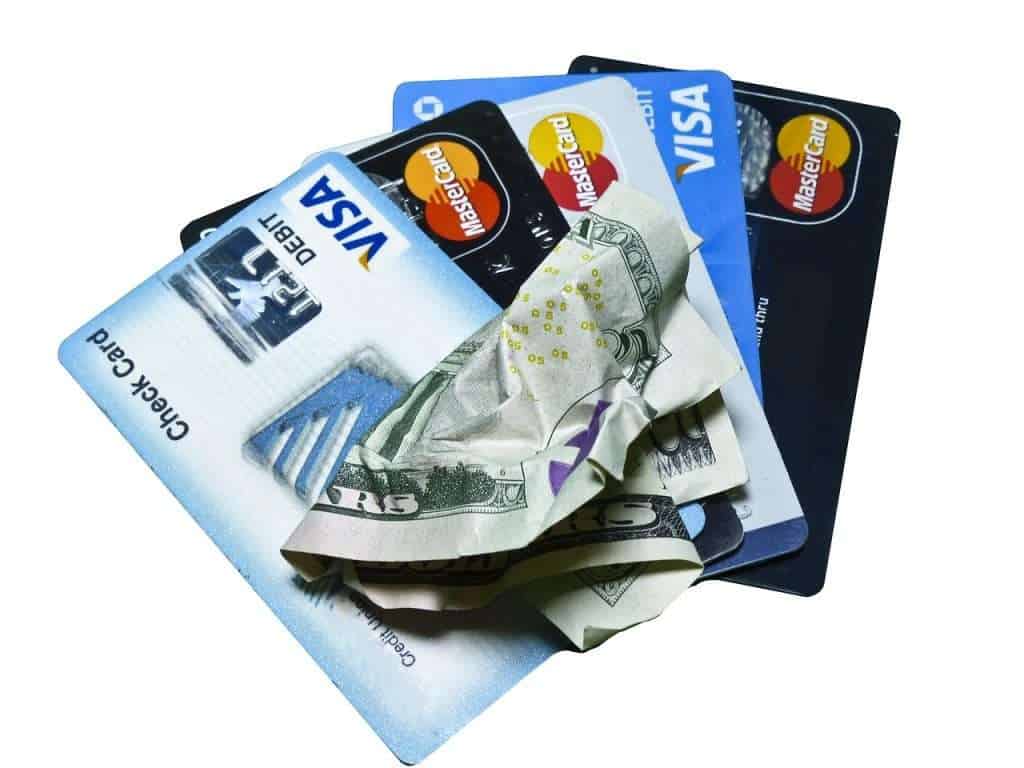
Post-pandemic debt management has become one of the biggest financial challenges facing Americans in 2026. The pandemic didn’t just disrupt our health and daily routines — it fundamentally changed how millions of Americans carry and think about debt.
Between emergency credit card spending, paused student loan payments, and unprecedented economic uncertainty, many of us found ourselves in financial situations we never imagined.
Now in 2026, as consumer debt fuels legal stress to post-pandemic highs, I’m seeing more people struggling to manage what started as temporary survival measures.

The combination of record-high debt levels and persistent inflation has created a perfect storm where managing post-pandemic debt requires new strategies tailored to today’s economic reality.
As of February 2026, debt held by the public exceeded $31 trillion, while household debt continues climbing alongside rising interest rates.
What worked for debt management in 2019 simply doesn’t cut it anymore.
I’ve watched friends and family members wrestle with this new normal, and I know the stress is real.
The good news is that 2026 brings fresh relief programs, updated consolidation tools, and practical strategies designed specifically for the challenges we’re facing right now.
Whether you’re dealing with credit card balances that ballooned during lockdowns or personal loans taken out during the recovery period, there are concrete steps you can take today to regain control.
Transparency Notice: BreakFreeFromDebtNow is reader-supported. If you click on a link and make a purchase or sign up for a service, I may receive a small commission at no extra cost to you. This helps keep the site running and the content free for everyone. I only recommend products and services I truly believe can help you on your journey.
Important Disclaimer: I am not a financial advisor. I am a researcher and consumer advocate sharing what I've learned on my own debt-free journey. The information on this site is for educational and informational purposes only and does not constitute professional financial advice. Always consult with a certified financial professional for guidance specific to your unique situation. Full Disclaimer →
Key Takeaways
- The pandemic permanently altered American debt patterns, with inflation making existing balances harder to pay off in 2026
- Prioritizing high-interest debt while rebuilding emergency savings simultaneously creates a balanced recovery approach
- New debt relief programs and digital tools in 2026 offer targeted solutions for post-pandemic financial challenges
How the Pandemic Made Post-Pandemic Debt Management So Hard
The COVID-19 pandemic pushed America’s debt-to-GDP ratio to 120.5 percent, breaking records that stood since World War II.
I’ve watched this shift transform how we think about and manage debt in ways that will last for years to come.
The Numbers Tell a Stark Story
The federal deficit reached $3.1 trillion in 2020—more than triple the previous year.
This massive borrowing funded emergency health programs and income support that kept millions afloat.
But national debt wasn’t the only thing that changed.
Household debt burdens shifted significantly between 2020 and 2021, and I’ve seen how inflation compounded these challenges for everyday Americans.
Debt Became a Recovery Tool
What makes this era different is that debt stopped being purely negative.
Emergency borrowing saved lives and businesses.
Federal response focused on helping consumers make existing debt payments rather than just limiting new credit.
The Consumer Stress Legal Index rose 10.4 percent above 2024 levels by late 2025, showing that financial strain persists.
Interest costs will become the fastest growing component of the federal budget as rates rise.
The Real Numbers: Post-Pandemic Debt in 2026

The numbers tell a story that many of us are living right now.
American household debt has reached $18 trillion, marking a significant milestone in our post-pandemic recovery.
What concerns me most is the 3.6% delinquency rate we’re seeing across consumer debt.
This signals that many households are struggling to keep up with payments as they adjust to new financial realities.
Key Debt Categories in 2026:
- Credit card debt has climbed as inflation pushed everyday costs higher
- Student loan payments resumed after pandemic pauses ended
- Serious delinquencies are appearing more frequently across multiple debt types
Inflation played a major role in how our debt burden grew.
When prices rose faster than wages, many of us turned to credit cards to cover basic expenses.
The gap between what we earned and what things cost created pressure that still exists today.
I’ve noticed that defaults are becoming more common as interest rates stay elevated.
The cost of carrying debt increased significantly compared to the low-rate environment during the pandemic.
The government responded by making debt a recovery tool.
Stimulus payments and expanded benefits helped many families avoid immediate crisis.
However, as those programs ended, the underlying debt remained.
Interest payments on the national debt increased by $22 billion, reflecting higher rates affecting both government and household finances.
Inflation’s Role in Making Debt Harder to Pay Off

When I look at how inflation has affected my ability to manage debt since the pandemic, the numbers tell a clear story.
Prices have risen significantly across essential categories like housing, food, and healthcare.
This means more of my income goes toward basic needs, leaving less money to pay down what I owe.
Inflation makes existing debt harder to handle in two key ways:
- My dollars have less purchasing power, so the same paycheck doesn’t stretch as far
- Variable interest rates on credit cards and loans often increase when inflation rises
The Federal Reserve typically raises interest rates to fight inflation.
When this happens, my credit card payments can jump substantially.
A card with a variable rate might have started at 15% but climbed to 20% or higher as the Fed adjusted rates.
I’ve noticed that even though my income might increase slightly, it rarely keeps pace with both rising prices and higher interest charges.
This creates a squeeze where I’m paying more for groceries and rent while also facing larger minimum payments on my debt.
The compound effect hits hardest:
| Challenge | Impact on My Budget |
|---|---|
| Higher food costs | Less money for debt payments |
| Increased rent | Tighter monthly cash flow |
| Rising interest rates | Bigger minimum payments due |
This combination makes it harder to make real progress on paying down balances.
What used to be a manageable payment plan now requires me to find additional income sources or cut expenses even further just to stay current.
Assess Your Post-Pandemic Financial Damage
I know taking a hard look at your finances after the pandemic feels overwhelming.
But understanding where you stand is the first step toward recovery.
Start by gathering all your financial statements from the past year.
I recommend making a list of every debt you have, including credit cards, personal loans, mortgages, and any deferred payments from the pandemic era.
The numbers might be higher than you remember.
Between March 2020 and early 2023, many households relied on credit to bridge income gaps.
Payment deferrals and forbearance programs helped in the moment, but interest kept building during those relief periods.
Key areas I need to review:
- Total debt balance across all accounts
- Monthly minimum payments required
- Interest rates on each debt
- Current income versus pre-pandemic levels
- Emergency savings remaining
Inflation hit hard between 2021 and 2023, making everyday expenses more costly while many incomes stayed flat.
This squeeze pushed household debt higher as people used credit for basic needs.
I should calculate my debt-to-income ratio by dividing my total monthly debt payments by my gross monthly income.
If this number is above 43%, I’m likely feeling financial strain.
Managing credit risk looks different now than before the pandemic.
Lenders changed their approach, which affects how I work with them on repayment.
Don’t judge yourself during this assessment.
I’m gathering facts, not assigning blame.
✅ Start your assessment with a free credit score check.
Credit Karma shows your TransUnion & Equifax scores instantly
with zero impact on your credit.
👉 Check My Free Credit Score with Credit Karma
Prioritize High-Interest Debt First
I’ve learned that tackling high-interest debt should be my top priority in 2026.
After the pandemic disrupted our finances and inflation pushed up costs, many of us are carrying more expensive debt than ever before.
Credit card balances and personal loans with rates above 20% eat away at my monthly budget faster than any other expense.
When I make only minimum payments, most of my money goes to interest instead of reducing what I actually owe.
The debt avalanche method prioritizes debts with the highest interest rates first.
This approach saves me the most money over time because I’m cutting down the most expensive debt before it grows larger.
Here’s how I rank my debts:
| Debt Type | Typical Interest Rate | Priority Level |
|---|---|---|
| Credit cards | 18-25% | Highest |
| Personal loans | 10-18% | High |
| Auto loans | 5-10% | Medium |
| Student loans | 4-7% | Lower |
| Mortgage | 3-7% | Lowest |
I list all my debts from highest to lowest interest rate.
Then I pay the minimum on everything except the highest-rate debt, where I throw every extra dollar I can find.
The Federal Reserve hasn’t lowered rates in 2026, which means managing high-interest debt requires smart strategies to cut interest costs faster.
I can also call my credit card companies to negotiate lower rates, especially if I have a good payment history.
Once I eliminate my highest-rate debt, I roll that entire payment amount into attacking the next highest rate.
This creates momentum that helps me pay off everything faster.
Rebuild Your Emergency Fund Simultaneously
I know it feels impossible to save while paying down debt, but having both strategies working together protects you from creating new debt when the next emergency hits.
According to data from emergency fund recovery resources, many Americans depleted their savings during the pandemic and haven’t rebuilt them yet.
The median emergency fund dropped 50% to just $5,000 in 2026, while 54% of Americans report saving less due to inflation.
I’ve found that starting small makes all the difference.
Start with a $1,000 starter fund first. This covers most minor emergencies without derailing your debt payoff.
Once you hit that milestone, split your extra money between debt payments and continued savings.
Here’s a practical approach I recommend:
- Automate $50-200 per paycheck to a separate high-yield savings account
- Cut 2-3 subscriptions you rarely use ($30-100 monthly)
- Reduce dining out by half during your rebuild phase ($100-200 monthly)
- Use Changed app to round up purchases and save the difference automatically
Changed works as a recovery tool by turning everyday spending into micro-savings.
Every purchase rounds up to the nearest dollar, with the difference going straight to savings.
These small amounts add up to $30-80 monthly without feeling the pinch.
💡 Changed automates your debt payoff without the daily stress.
It rounds up everyday purchases and quietly applies spare change
to your debt — perfect for post-pandemic recovery on autopilot.
👉 Start My Stress-Free Debt Payoff with Changed
Don’t pause retirement contributions completely. I suggest reducing extra 401k contributions temporarily while keeping employer match intact.
Missing free money slows your long-term recovery.
If an emergency happens before you’re fully rebuilt, making minimum payments on debt temporarily prevents new financial damage while you handle the crisis.
Take Advantage of 2026 Debt Relief Programs
I’ve watched Americans struggle with record-breaking debt levels since the pandemic.
Right now, we collectively owe about $1.23 trillion in credit card debt, and interest rates are averaging around 21%.
Years of inflation have made it harder for me and millions of others to keep up with bills.
The good news is that debt relief programs in 2026 can help.
These programs work by negotiating with creditors to settle debts for less than what I actually owe.
Key requirements I need to know:
- Most programs require $7,500 to $10,000 minimum in unsecured debt
- I’ll need to stop using credit cards during the process
- I must build up a settlement fund for lump-sum payments
- Forgiven debt counts as taxable income
💰 If you’ve had debt forgiven or settled, you may owe taxes on it.
FileYourTaxes makes it easy to file correctly and claim every
deduction available — including insolvency exclusions.
👉 File My Taxes Correctly with FileYourTaxes
I can start preparing now by reviewing my credit report and calculating my total debt.
Getting organized and putting away money for settlements dramatically improves my chances of approval.
What debt relief can do for me:
- Reduce total debt by 30-50% in many cases
- Stop collection calls and legal actions
- Create a clear path to becoming debt-free
- Lower monthly payment obligations
I don’t have to wait until I’m in crisis to reach out.
Speaking with a reputable debt relief company can help me understand my options and create a realistic plan for 2026.
Best Tools for Post-Pandemic Debt Recovery
I’ve seen how debt collection software has evolved to meet the challenges we face in 2026.
These modern platforms offer features like payment tracking, automated communication, and analytics that make recovery easier for everyone involved.
The tools I recommend focus on creating positive experiences rather than adding stress.
Debt management software now helps both businesses and consumers by managing the three key phases: due diligence, structuring, and post-deal monitoring.
Key Features to Look For:
- Debtor profiling and payment tracking
- Automated payment reminders
- Compliance management tools
- Real-time reporting and analytics
- Mobile-friendly interfaces
I find that modern debt recovery strategies emphasize customer relationships over aggressive tactics.
This matters because post-pandemic debt collection lawsuits have surged, often ending in default judgments when people feel overwhelmed.
Changed stands out as a recovery tool that takes a different approach.
It helps people rebuild their financial situations through supportive technology instead of traditional collection methods.
The best automated debt collection platforms in 2026 understand that many households still struggle with affordability.
I appreciate tools that offer tailored payment arrangements based on what people can actually manage.
When selecting software, I prioritize systems that protect sensitive customer data while streamlining recovery processes.
The right platform should increase payments without creating friction or damaging relationships.
📊 SmartCredit gives you real-time credit monitoring and a
personalized action plan — so every payment you make moves
the needle in the right direction.
👉 Monitor My Recovery Progress with SmartCredit
These digital-age debt recovery tools replace outdated paper-based methods with efficient, compassionate solutions.
Frequently Asked Questions
Managing debt in 2026 means dealing with higher interest rates, increased living costs, and the lingering financial effects of the pandemic.
These questions address the real challenges people face right now and offer clear paths forward.
What are the most practical first steps to take when my debt feels overwhelming right now?
I recommend starting with a complete list of every debt you owe.
Write down the creditor name, balance, interest rate, and minimum payment for each account.
This isn’t about judgment.
It’s about seeing the full picture.
Once you have your list, check your actual spending for the last 30 days through your bank statements.
Many people underestimate what they spend on food, subscriptions, and small purchases that add up.
The gap between what you think you spend and what you actually spend is where you’ll find money to put toward debt.
Next, contact your creditors before you miss payments.
Many companies offer hardship plans and payment assistance programs that you can only access if you ask before you fall behind.
Waiting until you’re 60 or 90 days late eliminates most of your options.
Stop using credit cards while you’re paying them down.
This is temporary, not forever.
But you cannot dig out of a hole while you’re still digging.
How can I build a realistic budget that accounts for today’s higher living costs while still paying down debt?
Start with your after-tax income and subtract your four walls first: housing, utilities, food, and transportation.
These are non-negotiable expenses that keep you housed, fed, and able to work.
In 2026, inflation has pushed household costs significantly higher than pre-pandemic levels.
The average family now spends 20-30% more on groceries and 15-25% more on housing compared to 2019.
Your budget needs to reflect actual 2026 prices, not what things used to cost.
After covering basics, list your minimum debt payments.
If your four walls plus minimum payments exceed your income, you’re in a technical hardship situation and need to explore debt relief options immediately.
For everything else, use a zero-based budget where every dollar has a job.
This doesn’t mean you can’t spend money on things you enjoy.
It means you decide in advance instead of wondering where your money went at the end of the month.
Build a small starter emergency fund of $500 to $1,000 before aggressively attacking debt.
Without this buffer, the first unexpected expense sends you back to credit cards, which restarts the cycle.
Which debts should I prioritize first to reduce stress and save the most on interest?
Pay minimums on everything, then attack one debt with focused intensity.
This prevents late fees and keeps all accounts current.
The mathematically optimal approach is the avalanche method: pay off your highest interest rate debt first.
Credit cards at 24-29% APR in 2026’s high-rate environment cost you far more than auto loans at 7% or student loans at 5%.
Every dollar you put toward high-interest debt saves you multiple dollars in future interest.
The psychologically effective approach is the snowball method: pay off your smallest balance first regardless of interest rate.
When you eliminate a debt completely, you get a win that motivates you to keep going.
For some people, this emotional momentum matters more than mathematical optimization.
Medical debt deserves special mention.
Several states now prohibit medical debt from appearing on credit reports, including Oregon, Colorado, New York, Maine, and Vermont.
If you live in these states, medical debt has less power over you than credit card debt that directly impacts your credit score.
What options do I have if I’m struggling to keep up with credit card payments month to month?
Contact your credit card company and ask about hardship programs.
Many issuers offer temporary payment reductions, interest rate decreases, or modified payment plans for customers experiencing financial difficulty.
These programs typically last 6-12 months and require you to close the account to new purchases.
Your credit limit stays on your report, but you cannot use the card.
This is actually helpful because it prevents the balance from growing while you’re trying to pay it down.
Balance transfer cards can work if you have decent credit and can pay off the balance during the 0% promotional period.
In 2026, promotional periods typically run 12-18 months.
Do the math before you transfer.
If you cannot pay off the full balance before the rate jumps to 20%+, you’re just postponing the problem.
A debt management plan through a nonprofit credit counseling agency consolidates your credit card payments into one monthly payment at reduced interest rates.
Creditors typically lower rates to 6-10% and waive late fees.
You make one payment to the agency, and they distribute it to your creditors.
The downside is you must close your credit cards and complete the program, which usually takes 3-5 years.
The upside is you pay significantly less interest and have a clear finish line.
Debt settlement means negotiating to pay less than you owe.
This severely damages your credit and often requires you to stop paying creditors for months to force negotiations.
Tennessee now requires debt settlement companies to be licensed and bonded and prohibits them from collecting fees until they actually settle at least one debt.
These consumer protections help, but settlement remains a risky option that should come after you’ve explored everything else.
How do I talk to lenders about hardship plans or lower payments without damaging my credit more than necessary?
Call before you miss a payment. This is the most important rule.
Lenders have more options and more flexibility when your account is current.
When you call, be direct about your situation. “I lost my job” or “My hours were cut” or “I had a medical emergency and cannot afford my current payment” gives them something concrete to work with.
They cannot help if you’re vague.
Ask specifically: “Do you have a hardship program that can lower my payment or interest rate temporarily?”
Many customer service representatives won’t volunteer this information unless you ask.
Get everything in writing before you agree to anything.
Ask them to email you the terms of any program they offer.
If they tell you it won’t affect your credit, get that in writing too.